Infrastructures: to make room for the desires of another
When I drink a cup of coffee, the caffeine contained in it starts to circulate through my body, as do the molecules of water, only to be processed and diluted again. Something from outside my body gets in and out again, showing how the very distinction between inside and outside is provisional. A more precise approximation of what happens between ourselves and the environment would be to admit that we have infrastructures (digestive, vascular, or nervous systems, but also emotionality or knowledge) that function as complex intermediary systems between ourselves and our environment.
Similarly, we ourselves (as humans, bodies, inhabitants, etc.) are part of other, larger infrastructures (such as transportation networks, urban sewage systems, nation states, or entire cultures). This experience of being both embedded in and composed of interlinked networks might be one of the most valuable experiences we derive from our activities online. YouTube, iCloud, Spotify, Telegram, Discord, or Anna’s Archive — which we usually call platforms — are such models of infrastructure. They create complex spaces for consumption, production, interaction, cohabitation, or even reflection.
In these terms, the principal change wrought by current digital technologies is a new perspective on human action and behaviour. We are more aware of how our own images, posts, reactions, or feelings constitute a resource for the current economy and technology. This is not just a social media and LLM (large language model) phenomenon. Through our experience with these systems, we have retrospectively realised that all our behaviour has always been conditioned and co-created by the affordances and infrastructures to which we have access.
Our continued experience with networked technologies, their specific economies, and environments is therefore giving us a lesson, a training ground, and an artistic challenge: to better understand not only how our behaviour is capitalised upon, but also what it takes to be an individual within a dense infrastructural network.
This exhibition gathers artists, collectives, swarms, intelligences, and works for whom behaving like — and being — (in)human is an open-ended question. A question that does not fall prey to naïve romanticism (humans against machines) or mechanistic and messianic computational rationalism (Are LLMs conscious? Will the singularity save us or exterminate us? Is generative AI replacing art?). It is a challenge that has no finite answer, but only an endless process of self-realisation and individuation through answering.
In this regard, the exhibition has a twofold orientation: on the one hand, to show what lessons digital networks offer; on the other, to decentre the focus on digital infrastructure and show how deeply physical infrastructures (such as pipelines, emotions, or care) matter.
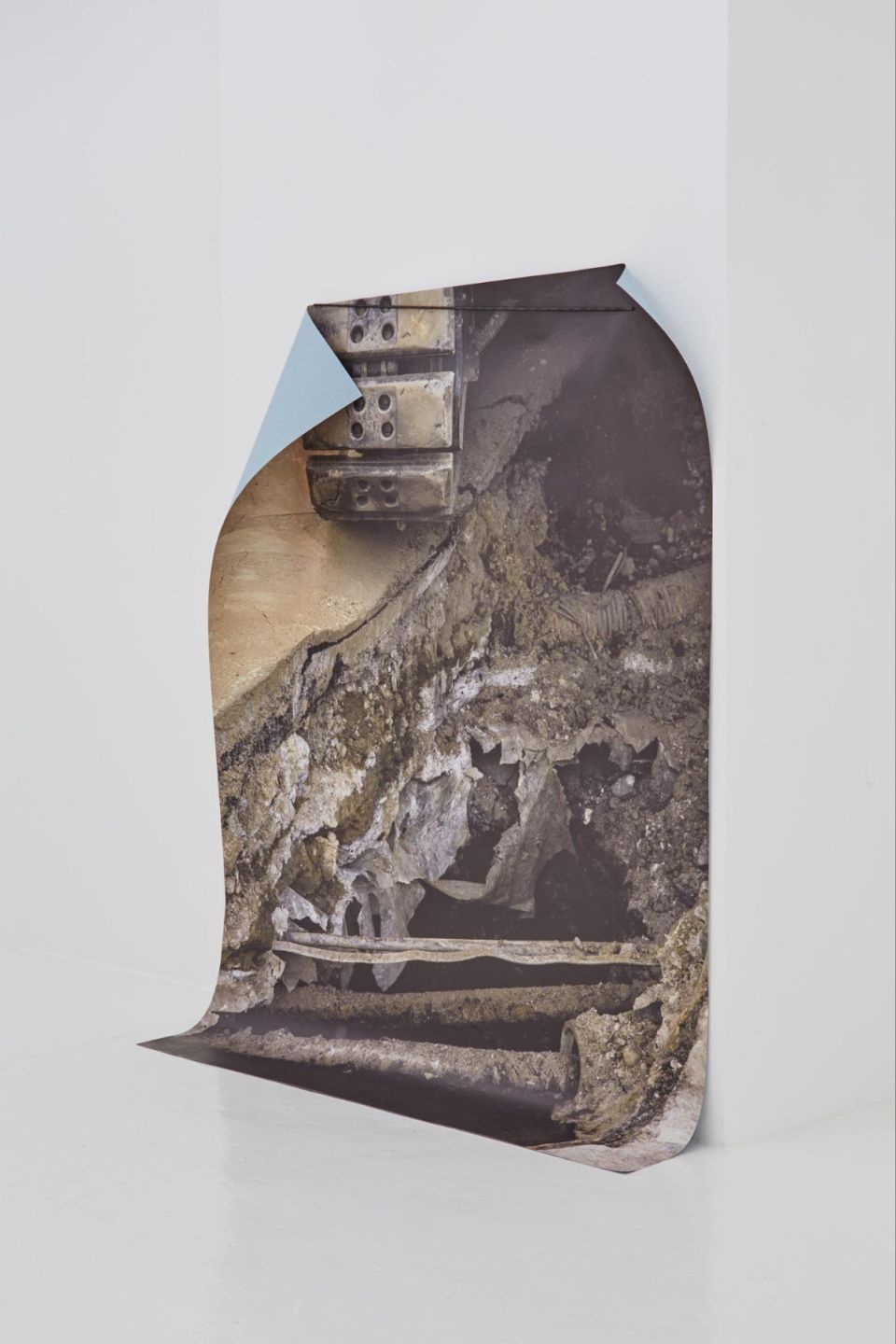
The title of the project borrows from Andrea Long Chu, who claims that we are all female and defines “female” as “any psychic operation in which the self is sacrificed to make room for the desires of another.” This idea is taken up by Alex Quicho, who argues that this is the basic condition of being online: to be woven into infrastructures already defined by the desires of others, to which we are made submissive. She claims that we are all becoming female or young girls online - somebody who has to, willingly or not, accommodate to conditions structured by desires of something exterior to us.
This lesson from our being online reveals many things at once: that infrastructures are not unbiased, egalitarian, or genderless. Nor are they representations of our actual reality or identity; they are infrastructures through which we become ourselves (or, in Quicho’s terms, become young girls). At the same time, infrastructures are not free information highways where we can freely choose what we digest and what we become. In fact, they are deeply hierarchical, entangled in politics, culture, and divisions of class, gender, and power.
But we are also reminded that it is desire that animates infrastructures: the movement between inside and outside, freedom and submission, between actually “existing” and the virtual; the desire to belong somewhere, to become someone, or simply to have more coffee.
In this respect art can be understood as an interpersonal activity that does not merely passively follow predetermined desires (for success, beauty, wealth, …) but actively creates a shared space for the desires of others.
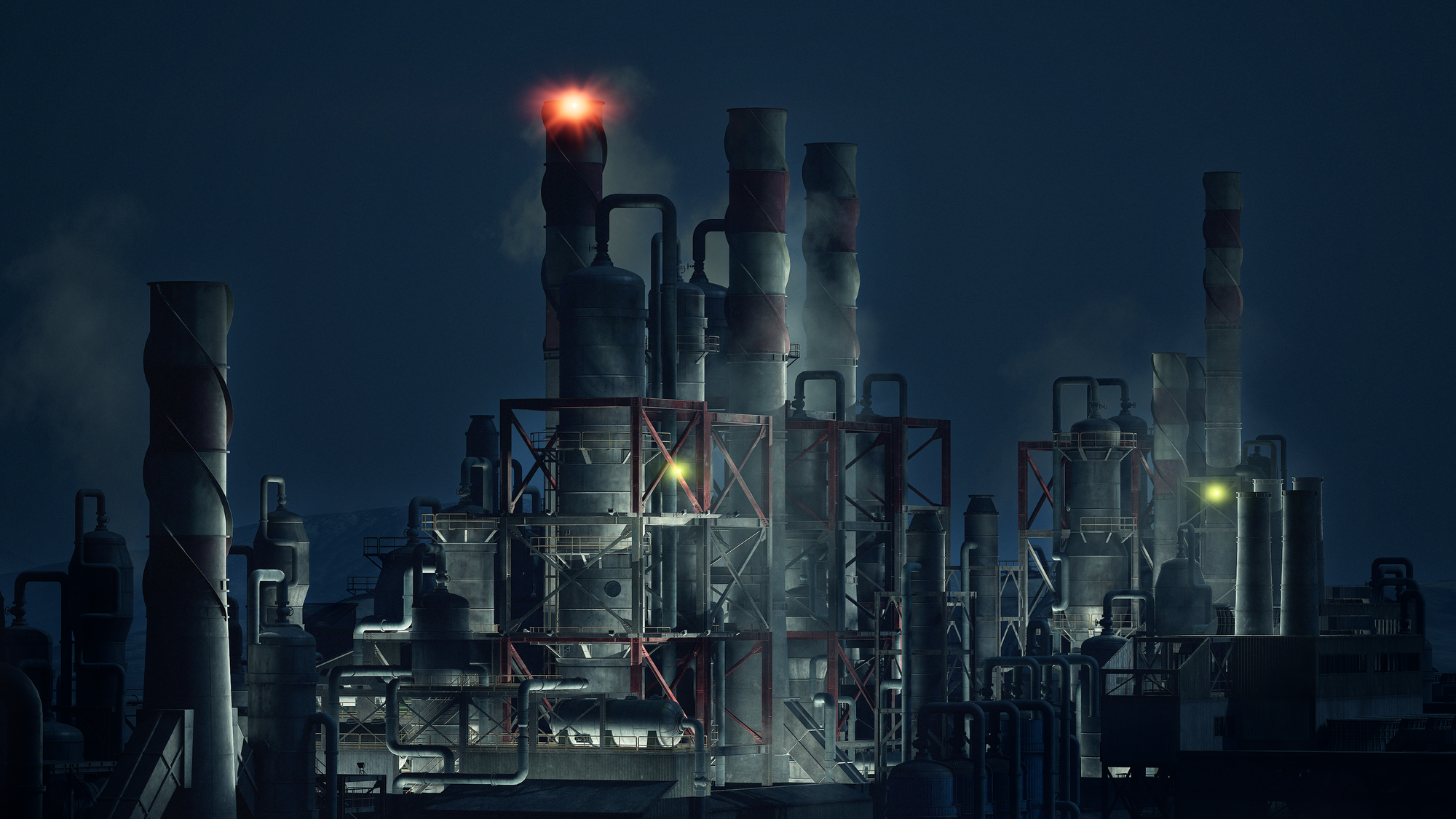
Exhibitors: Forensic Architecture (UK), Li Yi-fan (TW), Total Refusal (AU), András Cséfalway (SK), Mikuláš Rett, Tereza Nováková, Zdeněk Svejkovský, Jiří Philippe Janda, Jakub Polách, Daniel Felstead (UK), Jenn Leung (HK), DIS collective (US), Jon Rafman (CA), Noura Tafeche (IT), Marek Poliks & Roberto Alonso Trillo (US/ES), Julie Žil Vostalová, Selmeci Kocka Jusko (SK), Joey Holder (UK), Danielle Brathwaite Shirley (UK), Alice Bucknell (US), Morgane Billuart (FR)
Curator
Václav Janoščík
Architectural design:
Pavel Liška, Adam Trbušek
Consultants:
Doris Sisková, Denisa Michalinová, Eva Drexlerová, Štefan Pecko
Projekt Dům umění Ústí nad Labem – program 2026, r. č. 1514000025