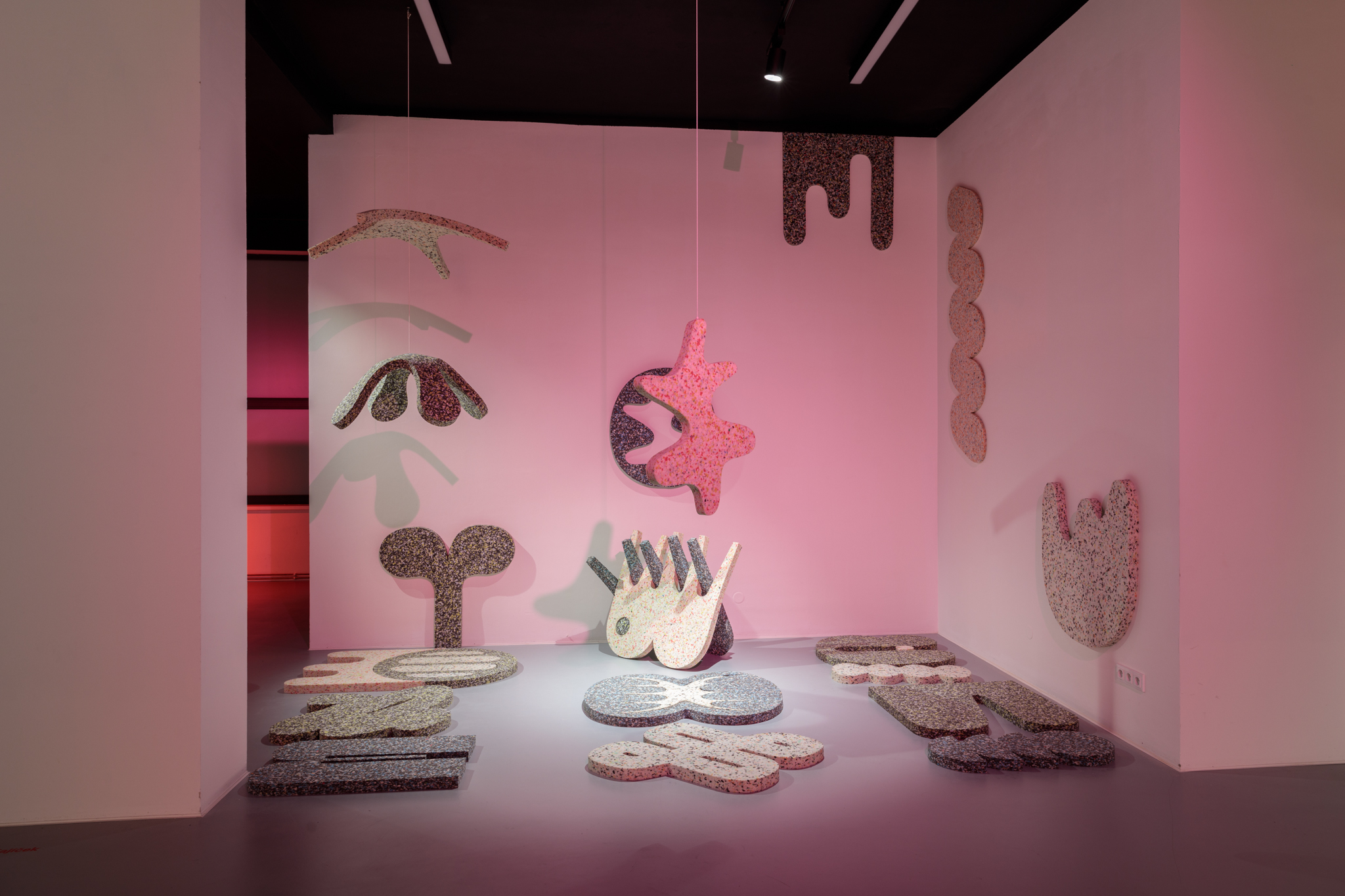
17 March – 7 April 2027
Design Ústí Festival – Project: Clay
Opening: Wednesday 17 March 2027
Curatorial team: Helena Beer Patelisová, Kristýna Císařová, Zuzana Doleželová, Adéla Křížková, Zuzana Šikulová
Exhibition architecture: Matěj Činčera, Jan Kloss
Graphic design: Přemysl Zajíček
Clay is a material we quite literally have beneath our feet. The fifth edition of the Design Ústí festival is dedicated to ceramics and porcelain. These materials have one of the longest traditions in human history, and today designers, architects and artists are rediscovering them. Project: Clay explores how a traditional material and technique are changing under the pressure of new ecological, design and technological needs, and why the Ústí nad Labem Region has something to say about this story.
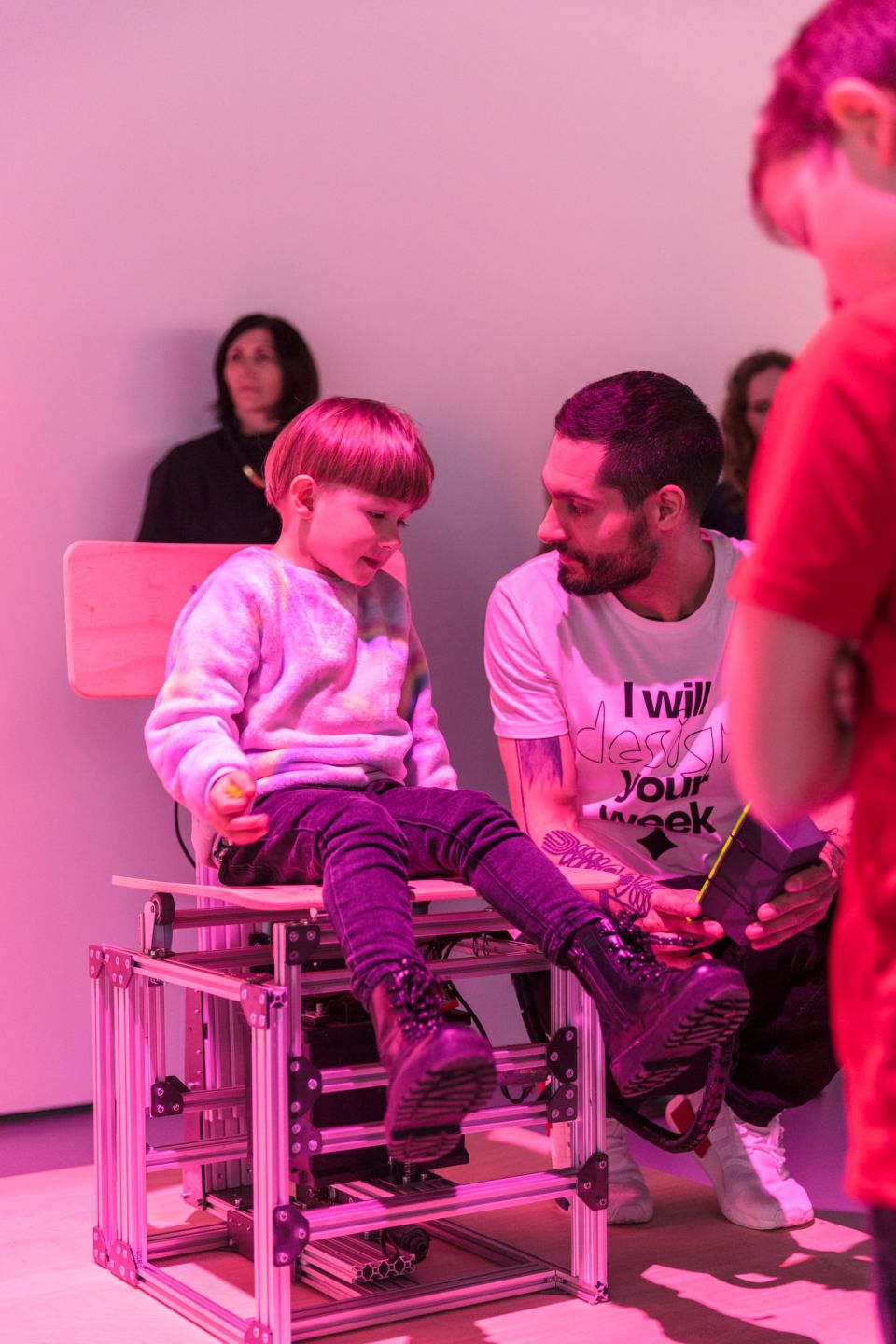
The fifth edition of Design Ústí opens on 17 March 2027. It builds on the festival's long-standing focus on education in the region and on developing its creative potential. After the design and architecture of the north, photography of the home and fashion, this year the festival turns to the most fundamental material of all: clay.
Clay is cheap, ubiquitous and pliable. It captures a fingerprint, a fingernail, even a breath. Only fire makes it permanent. Between these two states, soft and fired, lies the whole art of ceramics: decisions about form, about surface, and about how much chance we allow to work in the kiln. People were modelling small figures out of clay long before they began making vessels from it. The oldest known fired-clay figurine in the world, the Venus of Dolní Věstonice, was made in South Moravia some 25,000 years ago. Ever since, ceramics have accompanied humankind as tableware, building material, ritual objects, luxury goods and works of art.
The curatorial concept looks at ceramics and porcelain from several perspectives at once: ecological, design-related and material, as well as in terms of how widely they are used. Ceramics are among the basic materials humanity has used from prehistory to the present day. That makes them an ideal lens for asking how tradition changes under the pressure of new needs:
ecological: recycling, renewability, low-energy firing
design-related: new formal language and new applications in architecture, product design and art
technological: 3D printing with ceramic pastes, new glazes and composite materials
Between craft and art
For a long time, ceramics stood on the margins of "high" art. They were seen as a craft, a utilitarian object or decoration. Yet it is precisely this in-between position that makes them such a vital medium. Artists and designers return to clay for its physicality, its slowness and unpredictability, and for the chance to think with their hands. The exhibition presents clay as a material that can tell stories, carry the memory of a place and raise questions about sustainability and about how things are made today.
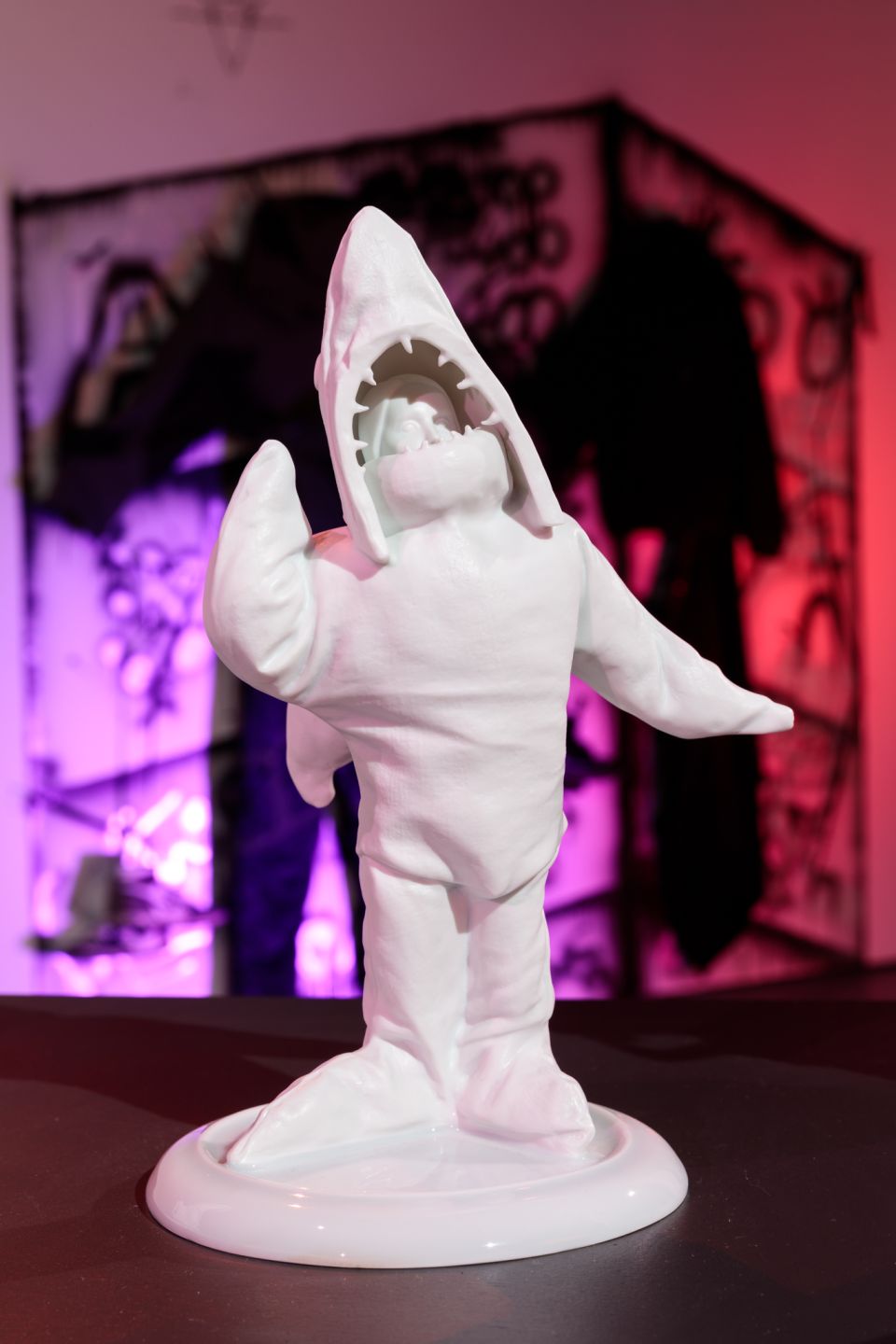
Project: Clay sets historical and contemporary approaches side by side: figurative ceramics from the mid-20th century, serially produced porcelain, studio work and material experiments. It asks what turns a clay object into a work of art and when a utilitarian item becomes a symbol. It also traces how the ways we display, collect and love ceramics have changed, from Baroque porcelain cabinets and grandmother's living-room display cabinet to the museum gallery.
Clay, stoneware, porcelain
Ceramics is the term for all fired clay products. The types differ mainly in the composition of the raw material and the firing temperature. The oldest and most common is earthenware and terracotta: porous, warm reddish-brown and fired at lower temperatures. Stoneware is fired at a higher temperature. Its body vitrifies and becomes hard and practically impermeable to water. Finally, porcelain, the finest and most technically demanding, is made from kaolin, feldspar and quartz. It is white, hard and translucent when thin. Put simply, the higher the temperature and the purer the raw material, the denser, harder and lighter the body.
A region with its own experience
This year, the festival explores the space between tradition and new uses through a concrete, tangible material that the region has its own history with. North and West Bohemia rank among Europe's great porcelain centres. Porcelain was produced in Klášterec nad Ohří from 1794. In Duchcov, a porcelain factory was founded in 1853, and under the Royal Dux brand it became famous for its figurative sculpture. In Dubí near Teplice, the celebrated onion pattern porcelain has been made since 1885. Ceramics and porcelain are therefore not only a global story but also part of local memory: in factories, workshops, schools and homes.
Accompanying programme
The curatorial concept will be complemented by a rich accompanying programme of workshops, guided tours and educational activities for all audiences, once again with a special emphasis on education. The programme will also include smaller satellite exhibitions in Ústí nad Labem and in two other towns in the region, Lovosice and Most. The aim is to open up the theme of ceramics and porcelain to other cultures and their own traditions of working with the material, and to connect the festival with the local community.
About the festival
Design Ústí is a festival of the creative industries organised by the Ústí nad Labem House of Arts (Dům umění Ústí nad Labem) in cooperation with the Faculty of Art and Design at Jan Evangelista Purkyně University (FUD UJEP). Each edition is built around a single theme. The festival began with The Garden of Virtues and Vices (2023), continued with Project: North (2024), Project: Home (2025) and Project: Dress Code (2026), and this year brings Project: Clay.
Curator Team
Helena Beer Patelisová, Kristýna Císařová, Zuzana Doleželová, Adéla Křížková, Zuzana Šikulová
Exhibition architecture: Matěj Činčera, Jan Kloss
Graphic design: Přemysl Zajíček
Production: DUÚL team


Výstava je součástí festivalu Design Ústí. / The exhibition is part of the Design Ústí festival.
Výstava Projekt: Dress Code je součástí Strategického projektu RUR realizovaného UJEP, který získal podporu z prostředků Fondu spravedlivé transformace, CZ.10.02.01/00/22_002/0000210.